



sea urchin skeleton specimen

Horse manure sea urchin fossil
The horse dung sea urchin shell is sturdy, hemispherical, with a diameter of 30-40 millimeters and a maximum of 60 millimeters. The mouth surface is low, slightly raised, and flat. The width of the step zone is equal to that of the intermediate step zone, but the bulging degree of the intermediate step zone is slightly higher than that of the step zone, so the shell shape appears as a smooth pentagon close to a circle when viewed from the mouth. The activity of sea urchins relies on the movement of their legs and spines to crawl on the seabed, so their movement speed is relatively slow. Sometimes, they are attracted to rocks by the suction cups of their legs. The horse dung sea urchin is usually considered a herbivorous animal, feeding on brown algae, red algae, and green algae. It mainly lives on shallow sea reefs, gravel, sand, and other seabed areas.

Purple sea urchin fossil
Purple sea urchin is mainly distributed along the coasts of Zhejiang, Fujian, Guangdong, Guangxi, and Hainan in China. It is an important fishing species in the southeast coast of China and has high nutritional and medicinal value. Distinguish it from "Dalian Purple Sea Urchin". Due to the purple color of the sea urchin in Dalian, it is known as the 'Dalian Purple Sea Urchin', but in reality, they are not the same species. Living in rocky reef areas with a water depth of 3-07 meters and thriving growth of large seaweed species, they prefer to inhabit the backlit areas or crevices of rocks, often drilling holes in their habitats and hiding within them. By utilizing the movement of the legs and spines, one can navigate underwater Dian, move a few centimeters every 5 minutes.
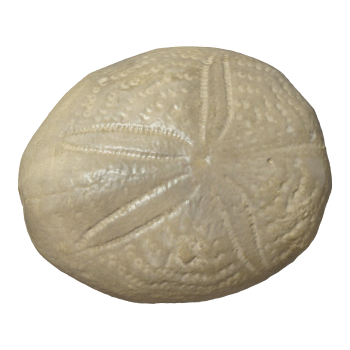
Fossil of hard shell sea urchin
The hard shelled sea urchin, when viewed from the side, has a huge conical shell with a flat base. The petals are short and wide, very conspicuous, and are specifically used for respiration. When alive, the petals also have tubular feet, and the bony plates in the step zone are short and wide. The mouth is located at the center of the lower surface and has 5 distinct protrusions, hence it is star shaped. The anus is located behind the upper surface and originally had many short, slender shell needles on the surface. The cone shape of juvenile specimens is not obvious. It is common on the surface of sandy limestone in the eastern United States.

Popular Models
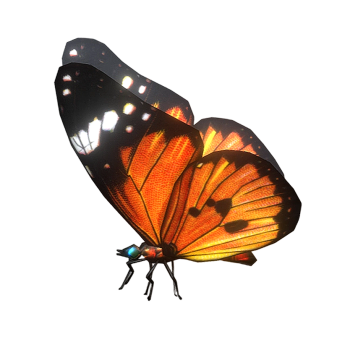
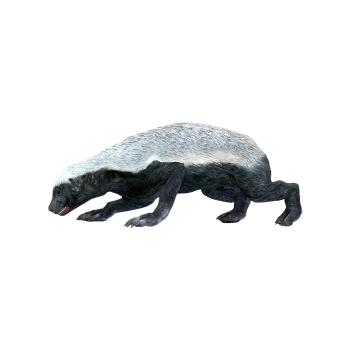
Honey Badger (3D animated model)
192 View
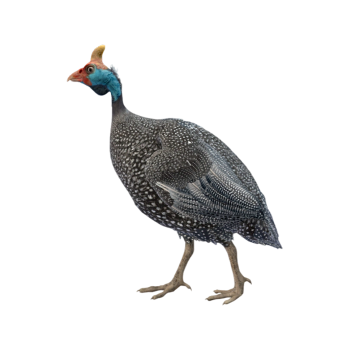
Guinea fowl (3D animated model)
163 View
Wild Goose (3D animated model)
185 View
Red Fox (3D animated model)
153 View
Random Model

Dry powder fire extinguisher
1536 View

Scania trailer painted by Coca-Cola
877 View


Ancient Greek clay pot
862 View
Lit Candle (3D animated model)
130 View


